
Journal
Know what’s inside
From Manuka MGO grades to reading a propolis label: what’s worth knowing before you choose.
- Ingredient guide
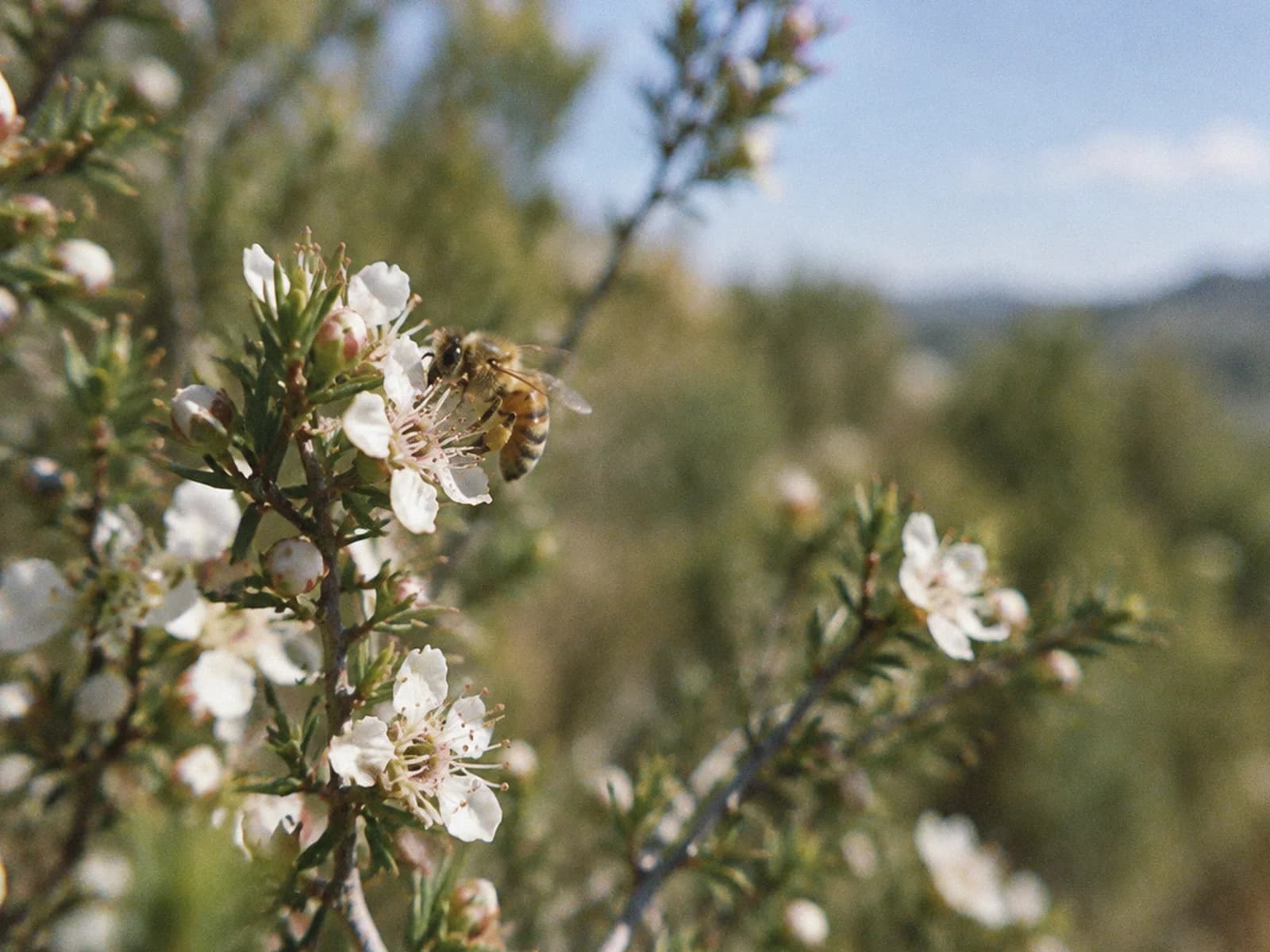
Manuka honey MGO 300+: what does the number mean?
MGO is the amount of methylglyoxal in the honey, in milligrams per kilogram. MGO 300+ means at least 300mg of methylglyoxal per kg; the higher the number, the higher the content. Methylglyoxal forms as the dihydroxyacetone (DHA) in manuka nectar converts while the honey matures.
- Ingredient guide

Choosing milk thistle by its silymarin content
The number that matters on a milk thistle product is not the milk thistle weight but the silymarin content. Silymarin is the key compound in milk thistle seeds. WIGNA Milk Thistle holds 400mg of silymarin in one capsule, standardised to 80%.
- Ingredient guide
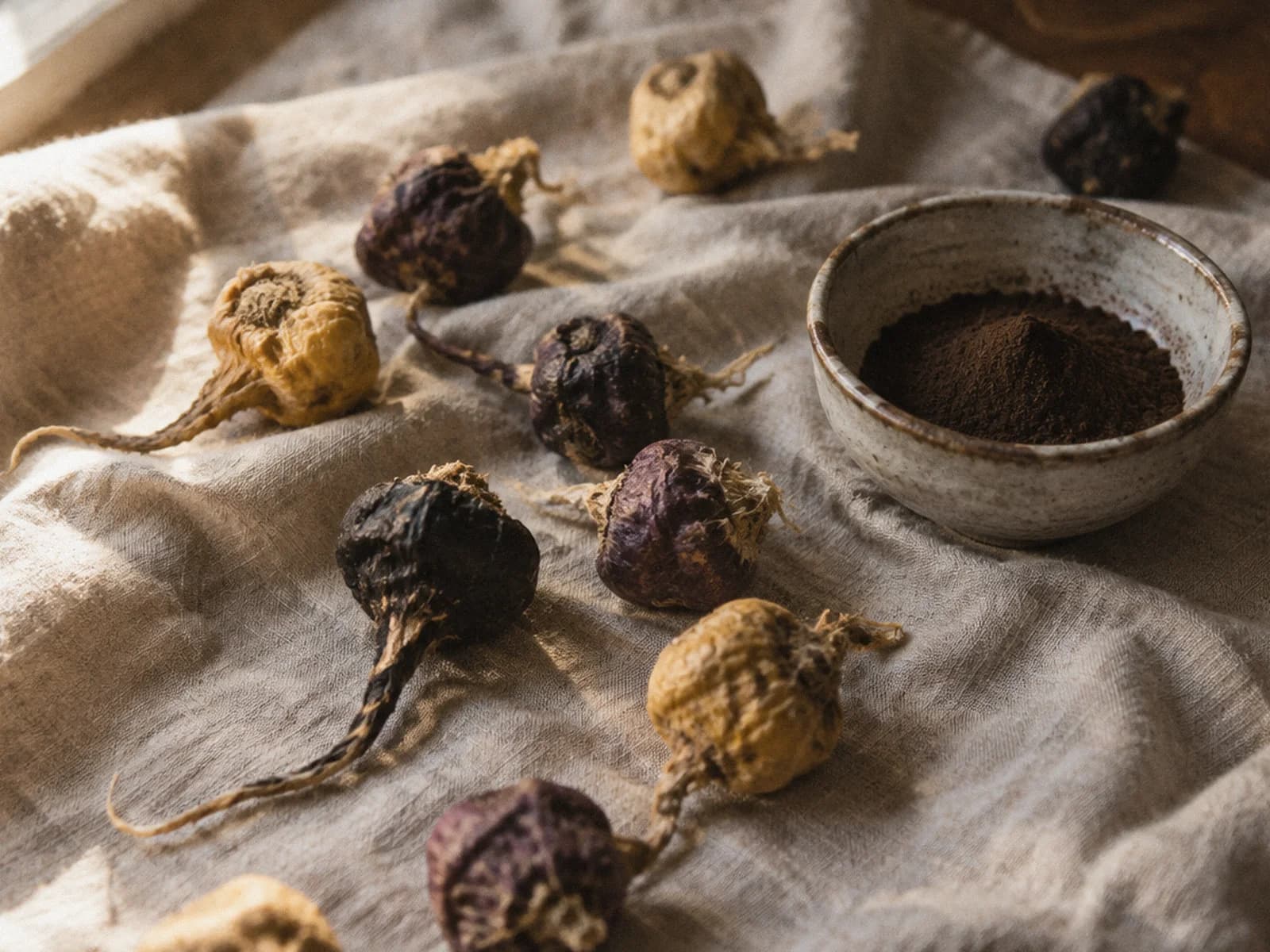
How is black maca different from ordinary maca?
Maca is a root grown above 4,000m in the Peruvian Andes, and it comes in yellow, red and black roots. Black maca is the rarest of the three, so it is sorted out and used on its own. WIGNA Black Maca holds the equivalent of 20,000mg of black maca root in one capsule.
- Ingredient guide
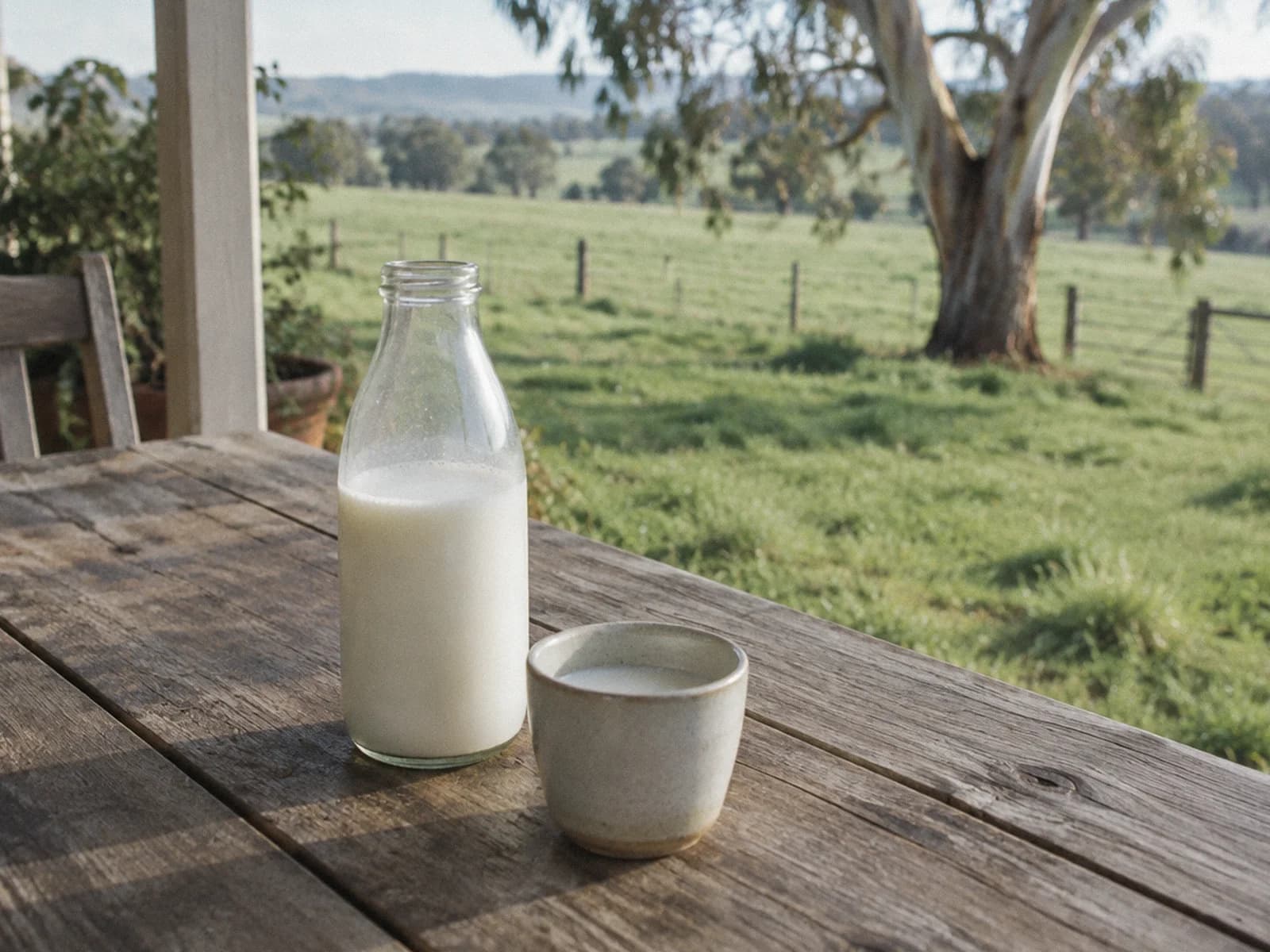
Why IgG matters more than the weight of colostrum
Colostrum products can be compared by their immunoglobulin G (IgG) content. How much IgG a product holds varies widely, so check the IgG amount before the colostrum weight. Each WIGNA Colostrum 100 IgG tablet contains 400mg bovine colostrum with 100mg of immunoglobulins.
- Ingredient guide
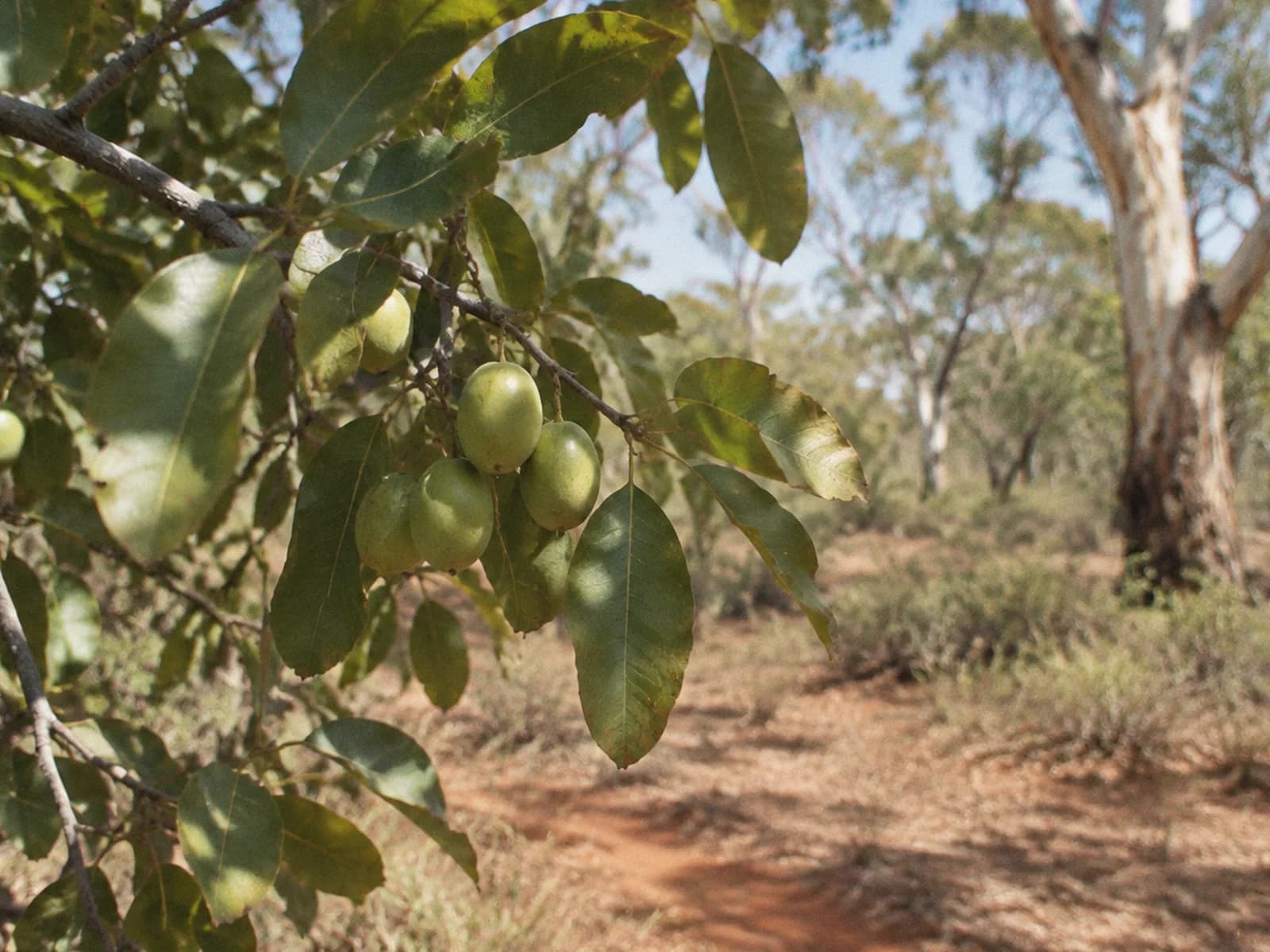
What is Kakadu plum?
Kakadu plum (Terminalia ferdinandiana) is a native fruit of the savanna woodlands of northern Australia. Most of it is wild-harvested by Indigenous communities, and vitamin C makes up 3.5–5.9% of the fruit's weight, far more than the roughly 0.05% in citrus. The amount varies a lot between fruits and regions.
- Ingredient guide
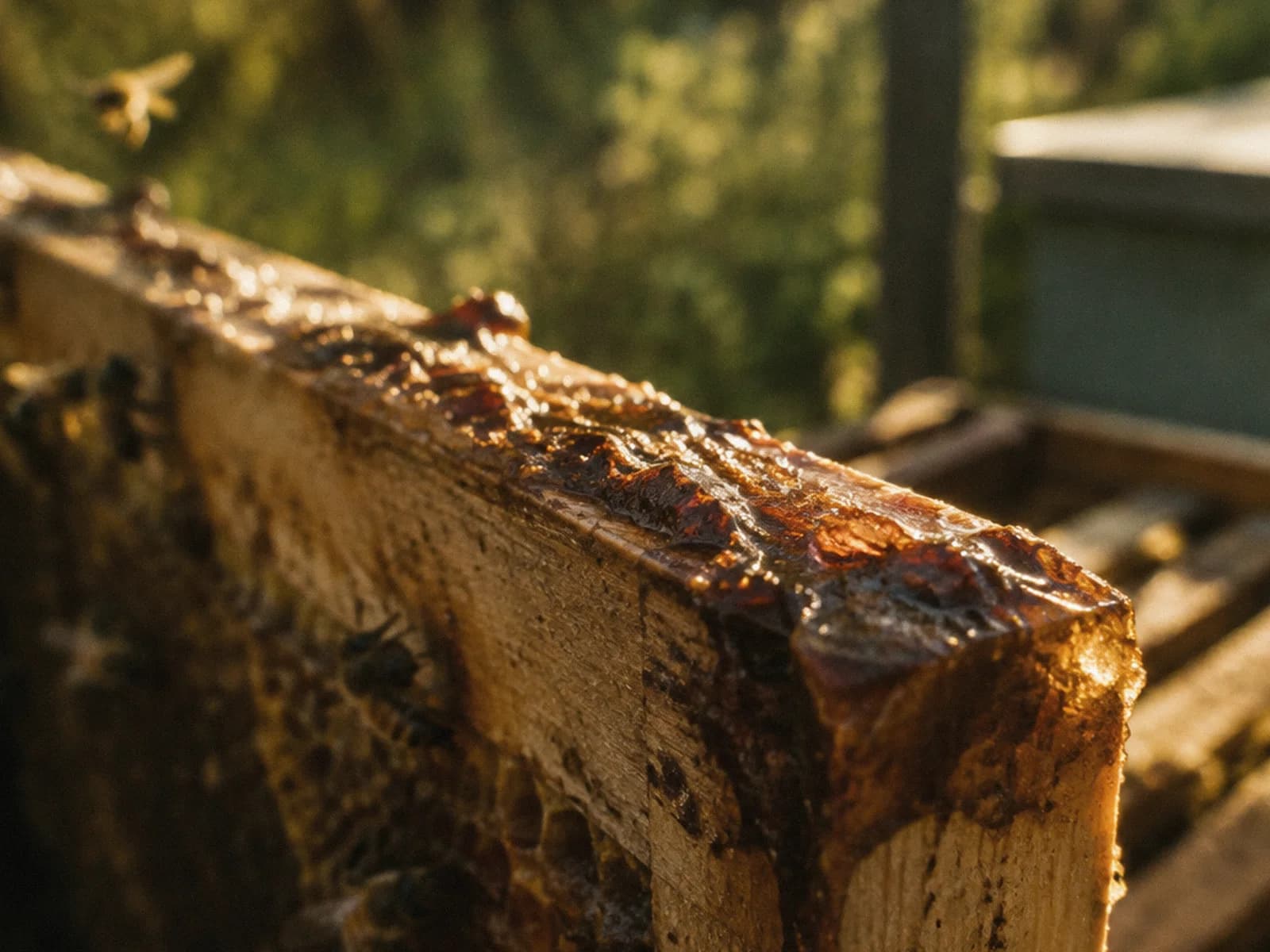
What does '6,000mg' on Propolis 6000 actually mean?
Each capsule holds 500mg of propolis extract powder. That extract is concentrated 12:1 from raw propolis, so 500mg × 12 is equivalent to 6,000mg of raw propolis.